Book Appointment
Head and neck cancer can affect different parts of the head and neck, and treatment depends on the type and stage of the cancer. An accurate diagnosis is the first step in deciding how the cancer should be treated.
If you have been diagnosed with head and neck cancer, understanding your diagnosis and the available treatment options can make the next steps easier to understand. Depending on the condition, treatment may include surgery, radiotherapy, chemotherapy, targeted therapy, or immunotherapy.
Dr. Sandip Ganguly is a Head and Neck Cancer Specialist in Kolkata who provides treatment for patients with head and neck cancers. He works with the treatment team to plan care based on the patient’s condition and the stage of the cancer.
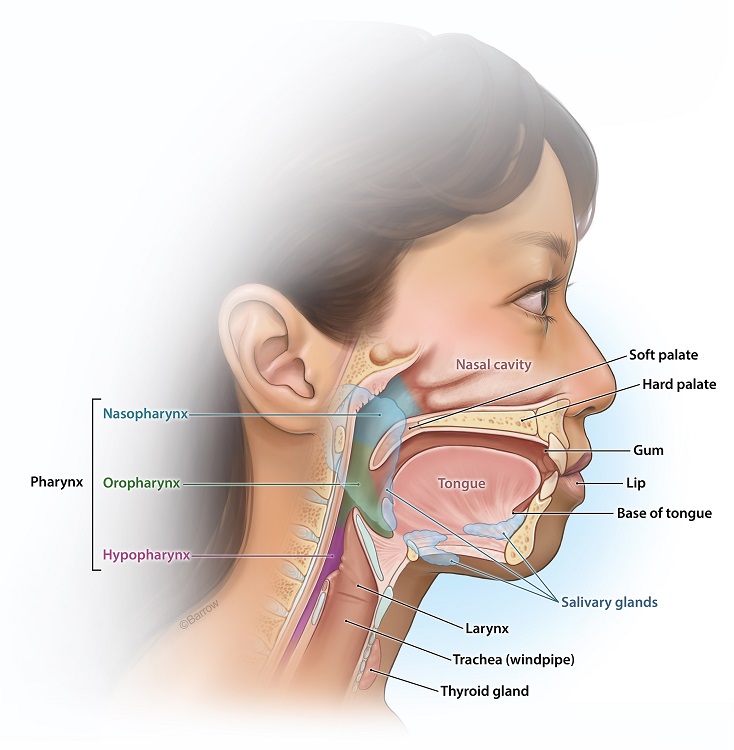
Head and neck cancers are a group of cancers that develop in different areas of the head and neck. These include:
Most of these cancers are known as head and neck squamous cell carcinomas (HNSCC). They usually develop from the lining cells of these mucosal surfaces.
Several factors can increase the risk of developing head and neck cancer. These include:
Knowing the common head and neck cancer symptoms can help you recognise changes that need medical attention. These may include:
A head and neck cancer diagnosis may involve a physical examination, endoscopy, imaging tests such as CT, MRI, or PET scans, and a biopsy.
Staging helps determine the size and location of the cancer and whether it has spread. This information helps the doctor decide on the appropriate Head and Neck Cancer Treatment.
Dr. Sandip Ganguly follows a team-based approach when planning treatment for head and neck cancer. The treatment plan depends on the type and stage of cancer, the patient’s overall health, and the molecular profile.
The head and neck cancer treatment options may include:
Care during head and neck cancer treatment may also include support for problems that can affect everyday life. This can include:
Dr. Sandip Ganguly is a Head and Neck Oncologist in Kolkata with experience in diagnosing and treating different types and stages of head and neck cancers.
Talk to Dr. Sandip Ganguly, Kolkata’s best Medical Oncologist and Head and Neck cancer doctor in Kolkata for clarity, reassurance, and the right treatment guidance.

Seasoned Head and Neck Cancer Specialist in Kolkata with 15+ years of cancer care experience.
The best treatment depends on the stage and location of the cancer, but common options include surgery, radiation therapy, chemotherapy, targeted therapy, and immunotherapy. Often, a combination of these treatments is used for best results.
Symptoms include a painless lump or swelling in the neck, persistent sore throat, difficulty swallowing, hoarseness, ear pain, or unexplained weight loss.
In females, symptoms are similar to males and may include a lump in the neck, throat pain, difficulty swallowing, voice changes, swollen lymph nodes, earache, and persistent fatigue.