WhatsApp Chat Book Appointment

Shopping cart

Breast Cancer

Breast Cancer Doctor in Kolkata

A breast cancer diagnosis can be overwhelming, but patients do not have to face it alone. With the right medical care and guidance from an experienced Breast Cancer Doctor in Kolkata, patients can understand their condition and the treatment options available to them. 

Breast cancer develops when cells in the breast begin to grow uncontrollably. These cells can form a tumour and, in some cases, spread to nearby lymph nodes or other parts of the body.

Dr. Sandip Ganguly has more than 15 years of experience in cancer care, with a focus on breast cancer. He provides Breast Cancer Treatment in Kolkata based on the type of cancer, its stage, receptor status, and the patient’s condition.
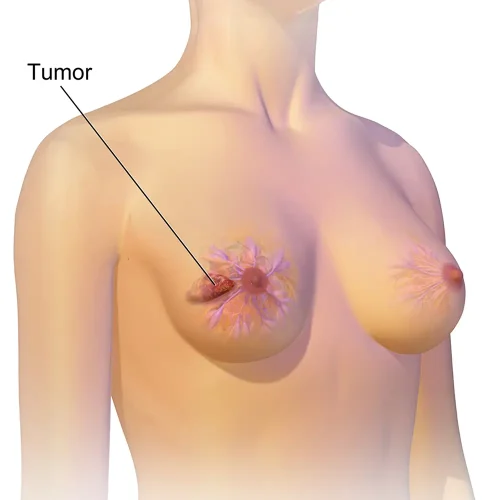
Breast Cancer Treatment in Kolkata - Dr. Sandip Ganguly

What is Breast Cancer?

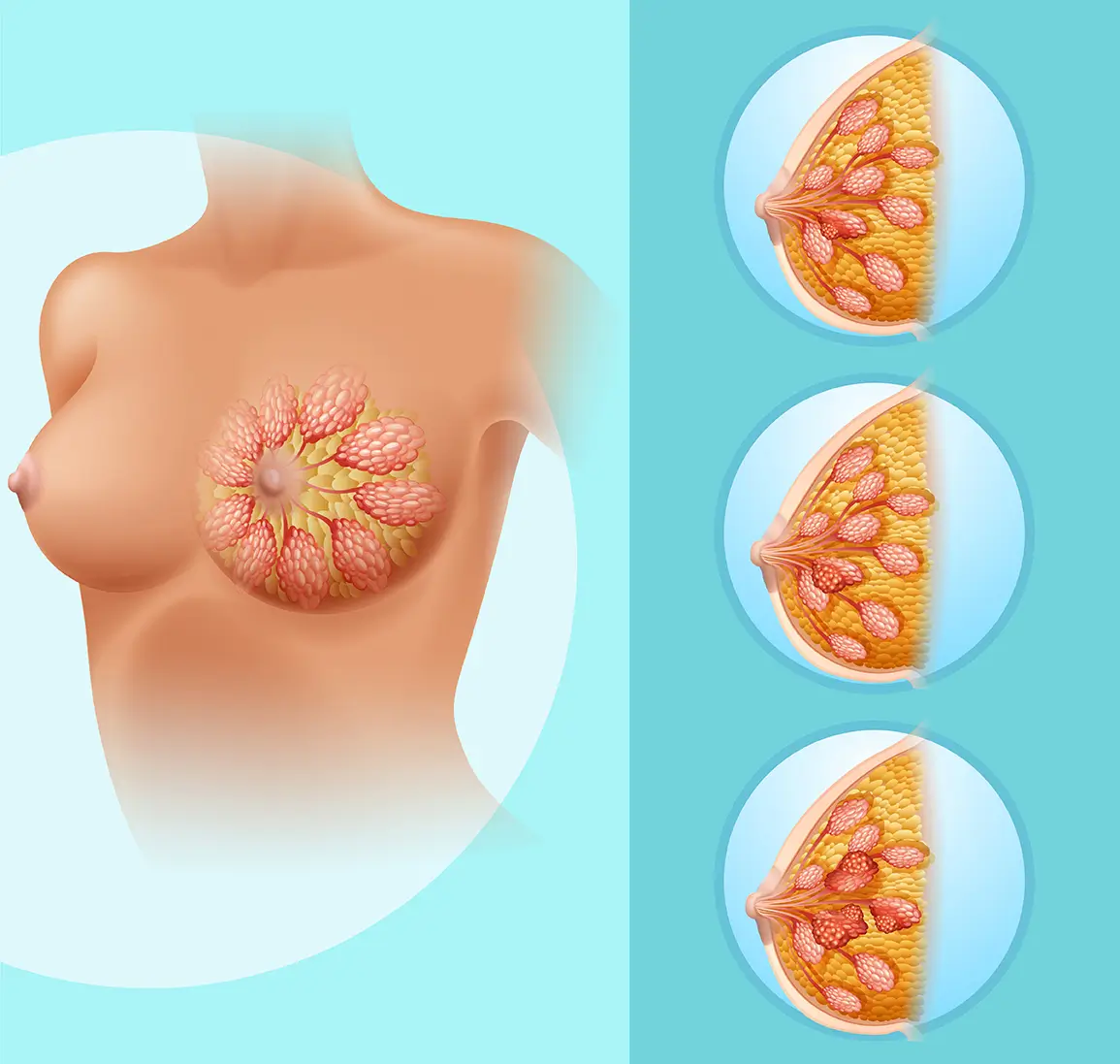
Breast cancer occurs when some cells in the breast start growing out of control. These cells generally begin in the milk ducts or in the tiny glands, known as lobules, that produce milk.

Types of Breast Cancer

Knowing the type of breast cancer is important because it helps determine the appropriate treatment. A biopsy and additional tests are used to identify the type of cancer and help the oncologist decide on the treatment.

The common types include: 

  1. Hormone Receptor-Positive Breast Cancer: These cancer cells have receptors for estrogen and progesterone. This type often has a better prognosis and responds to hormone-blocking therapies. 
  2. Breast Cancer with HER2 Overexpression: This type has an increased amount of a protein called HER2 and can respond to specific targeted drugs. 
  3. Triple-Negative Breast Cancer (TNBC): This type can be more aggressive because it does not have the usual estrogen and progesterone receptors or the HER2 protein. 
  4. Invasive Ductal Carcinoma (IDC): This is the most common type of breast cancer (70–80% of all cases). It begins in the milk ducts and spreads into the breast tissue. 
  5. Invasive Lobular Carcinoma (ILC): This type (5–10% of cases) begins in the milk-producing lobules of the breast. 
  6. Ductal Carcinoma In Situ (DCIS): These are precancerous lesions that can become cancerous if ignored. They are often treated with surgery, with or without radiotherapy.
  7. Lobular Carcinoma In Situ (LCIS): This is another type of precancerous lesion.

Breast Cancer Risk Factors

Several factors can increase the risk of developing breast cancer. These include:

  • Age: The risk increases with age.
  • Genetics: Inherited mutations, particularly in the BRCA1 and BRCA2 genes, can greatly increase the risk.
  • Family History: If a mother, sister, or daughter has had breast cancer, the individual’s risk can be 2 to 4 times higher than that of the general population.
  • Reproductive History: Early menarche (onset of menstruation age) or late menopause ( late cessation of menstrual age) can increase risk because of longer exposure to estrogen. Having a first child later in life or not breastfeeding the child can also increase the risk.
  • Hormonal Exposure: Prolonged exposure to estrogen, including the use of hormone replacement therapy (HRT), is a risk factor.
  • Lifestyle: Obesity and lack of physical activity are associated with breast cancer. The risk is also higher among people who drink alcohol.
  • Previous Radiation Treatment: Having radiation therapy to the chest for another disease can increase the risk of developing breast cancer.

Breast Cancer Symptoms

Breast cancer may not cause noticeable symptoms in its early stages. When symptoms do occur, they can include:

  1. A new, painless lump or thickening in the breast or armpit that does not go away. Because it may not cause pain, some people may ignore it, which can result in delayed diagnosis.
  2. An increase in the size or fullness of one breast, making one breast noticeably larger or smaller than the other.
  3. Dimpling or puckering of the breast skin, which may look like an orange peel.
  4. Nipple discharge, particularly if it is bloody.
  5. An inverted nipple or other changes in the shape of the nipple.
  6. Redness or thickening of the breast skin can also be another warning sign. 
  7. Breast discomfort, which generally occurs in the advanced stages.

If you notice any of these changes, seek medical evaluation from a specialist.

Common Question: What symptoms are associated with breast cancer?

Answer: Common symptoms of breast cancer include a new lump in the breast or underarm, changes in the size or shape of the breast, skin dimpling, nipple discharge (particularly if it is bloody), an inverted nipple, red or thickened breast skin, and breast pain that does not go away.

Diagnosis of Breast cancer:

As a Breast Cancer Doctor in Kolkata, Dr. Sandip Ganguly follows different diagnostic methods to diagnose breast cancer and determine its stage. This helps in deciding the right treatment plan.

  • A mammogram is an X-ray of the breast that helps identify abnormal areas. It is also commonly used for breast cancer screening.
  • Breast ultrasound is often used along with a mammogram. It can help distinguish between solid lumps and fluid-filled cysts. It is also helpful to detect any lesion in younger age women
  • Breast MRI is used for younger patients with dense breast tissue or those at high risk. It can also be used for high-risk screening, to see how far the cancer has spread, and to clarify inconclusive findings.
  • A core-needle biopsy is commonly used to obtain a tissue sample to confirm cancer and determine its type. Histopathology and IHC markers from the tissue are important for determining the cancer subtype.
  • Genetic testing checks whether a person has an increased risk of breast cancer because of inherited gene changes, such as BRCA gene mutations.
  • A PET-CT scan is used to check whether the cancer has spread to other parts of the body.

Breast Cancer Staging

Staging helps determine the treatment approach and gives an idea about the prognosis. Breast cancer staging is based on the TNM system.

  • Stage 0 (Non-invasive): Abnormal cells are present but have not spread to nearby tissue.
  • Stage I–II: Early-stage cancer.
  • Stage III: Cancer has spread to local structures or lymph nodes and is locally advanced.
  • Stage IV: Cancer has spread to distant organs.

Early detection can greatly improve the prognosis of breast cancer. Regular follow-up is important for patients who are at risk.

Breast Cancer Treatment in Kolkata

Breast Cancer Treatment in Kolkata is planned according to the receptor status, patient’s condition, and stage of the disease. 

Dr. Sandip Ganguly, a Breast Cancer Specialist in Kolkata, considers these factors before deciding on the treatment.

A.Surgery:

Surgery is used for breast cancer that is localized or locally advanced. It may be given before or after other treatments, such as chemotherapy and targeted therapy.

The types of surgery include:

  • Lumpectomy (Breast-Conserving Surgery): This removes the tumour along with a small edge of normal tissue around it. 
  • Mastectomy: This removes the whole breast. The four main types are total, modified radical, skin-sparing, and nipple-sparing mastectomy. 
  • Sentinel Lymph Node Biopsy (SLNB) or Axillary Lymph Node Dissection (ALND): These procedures are used to check whether cancer has spread to the lymph nodes in the armpit.

B. Chemotherapy:

  • The chemotherapy drugs include Doxorubicin, Cyclophosphamide, Paclitaxel, Docetaxel, and Carboplatin. 
  • The treatment is planned according to the individual patient, with the aim of reducing side effects and improving its effectiveness as much as possible to cure the disease.
  •  

C. Radiation Therapy

  • Radiation therapy uses high-energy rays to kill cancer cells. It is an important part of treatment for localized or locally advanced breast cancer.
  • It is usually given after surgery and chemotherapy. The decision depends on the type of surgery and the histopathology report after surgery. In metastatic disease, radiation therapy is used to help relieve symptoms.
  •  
  • Targeted drugs work against particular mutations that help cancer grow.

    • HER2-positive cancers: Medicines such as Trastuzumab (Herceptin), Pertuzumab, T-DM1 (Trastuzumab emtansine), and TdXD (Trastuzumab Deruxtecan) are used. Some are given with chemotherapy initially and then continued as single-agent maintenance therapy. Some treatments combine chemotherapy with targeted therapy.
    • Hormone-positive breast cancer: Medicines such as Palbociclib, Ribociclib, and Abemaciclib (CDK4/6 inhibitors) are used. They have shown results in metastatic cancer in terms of disease control. Ribociclib and Abemaciclib are also used along with hormone therapy for localized breast cancer after chemotherapy and surgery.
    • PARP inhibitors: For patients with breast cancer related to BRCA gene mutations, Olaparib is used as post-surgery and post-chemotherapy adjuvant therapy in high-risk cases. It can also be substituted for chemotherapy in active metastatic disease.
  • Hormonal therapy is used for hormone receptor-positive tumours.

    • It includes medicines such as Tamoxifen for pre-menopausal women and aromatase inhibitors for post-menopausal women. Hormonal therapy is a standard treatment for hormone receptor-positive breast cancer, whether the goal is to cure the disease or treat metastatic cancer.
    • Because the ovaries produce hormones, they can increase the chances of recurrence in hormone-positive breast cancer. For premenopausal women, ovarian suppression, either through removal or monthly hormone injections, is recommended along with hormonal therapy.
  • These drugs stimulate the body's own immune system to destroy cancer cells. Currently, they are used only for triple-negative breast cancer, with Pembrolizumab as the approved agent. Before surgery, Pembrolizumab is used in combination with chemotherapy. In patients with metastatic disease, it is used along with chemotherapy when the CPS score is >10 as part of immunotherapy.
Male Breast Cancer:

Although breast cancer is rare in men, it can also occur in males. Risk factors include BRCA gene mutations and gynecomastia, which means enlargement of male breast tissue.

Dr. Sandip Ganguly is experienced in diagnosing and treating men with breast cancer.

Breast Cancer Screening and Prevention

Breast cancer screening is intended to find cancer early, when it is more likely to be treatable.

The screening methods include: 

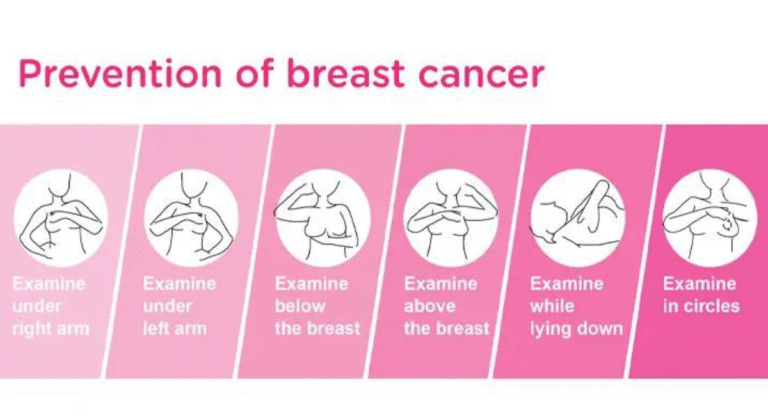
  1. Self-Breast Examination: Performing a self-breast examination each month can help detect changes.
  2. Mammography: Mammography is an X-ray of the breast. It is usually performed annually or every two years for women beginning at age 40 or 50, depending on individual risk and guidelines.
  3. Clinical Breast Exam (CBE): A healthcare professional examines the breast as part of regular check-ups. Breast self-awareness also means knowing how your breasts normally look and feel and informing your doctor about any changes.
  4. MRI Breast: Breast MRI is used in young people with abnormal BRCA genes.

These screening methods also support early detection and prevention of Breast Cancer. The importance of preventive oncology and healthy lifestyle habits, strict diet, regular physical activity, and abstinence from alcohol and tobacco, are also important.

Living with Breast Cancer

A breast cancer diagnosis can affect many parts of life. With early detection, new treatments, and supportive care, many patients can live longer and better.

The key parts of long-term care include:
  • Regular follow-up appointments
  • Managing side effects from treatment
  • Psychological counselling for emotional support
  • Nutrition support to maintain strength
  • Rehabilitation and care for conditions such as lymphedema
  • Personalized survivorship care plans
Prevent Breast Cancer Treatment in Kolkata - Dr. Sandip Ganguly

Why Choose Dr. Sandip Ganguly?

Dr. Sandip Ganguly has a decade of experience in treating different types of cancer. His work includes early prediction, early diagnosis, specific clinical tests, and Breast Cancer Treatment in Kolkata.

He has also taken part in practice-changing global clinical trials by collaborating with investigators from around the world. He is recognised on the page as one of the top breast oncologists in Kolkata.
Key Areas of Care

  • Medical Oncology: A particular focus on breast cancers and international clinical trials.
  • Individualized Care: Treatment options are designed according to the patient’s wants and needs.
  • Cutting-Edge Treatments: Access to the latest drugs and trials.
  • Teamwork: Working with surgeons, radiologists, and counsellors to provide care.
  • Palliative Care: Also referred to as symptom control, this includes support with pain, nutritional concerns, and psychological issues.
  • Open Communication: Honest communication, kindness, and trust throughout treatment.

Breast Cancer Treatment Services

  • The services provided include:

    • Personalized Breast Cancer Treatment Plans
    • Accurate Diagnosis and Staging
    • Advanced Therapy (Aim Therapy, Immunotherapy) Access
    • Comprehensive Palliative Care
    • Second Opinions for Complex Cases
    • Guidance on Breast Cancer Screening

Unsure About the Right Treatment?

Schedule a Consultation with Dr. Sandip Ganguly today for expert Breast Cancer Treatment in Kolkata

Breast cancer doctor in Kolkata - Dr Sandip Ganguly

Dr. Sandip Ganguly

Seasoned breast cancer specialist In Kolkata with 15+ years of cancer care experience.

+91 99039 74739

Frequently Asked Questions

Breast cancer is mainly caused by abnormal genetic changes in breast cells, often influenced by risk factors such as family history, hormonal imbalance, age, lifestyle habits, and prolonged estrogen exposure.

The most common symptom of breast cancer is a new lump or mass in the breast, often hard and painless, sometimes accompanied by changes in breast shape, skin dimpling, or nipple discharge.

Breast cancer cannot be fully prevented, but risk can be reduced by maintaining a healthy weight, exercising regularly, limiting alcohol, avoiding smoking, breastfeeding, and going for regular screenings for early detection.

The four main types are ductal carcinoma in situ (DCIS), invasive ductal carcinoma (IDC), invasive lobular carcinoma (ILC), and triple-negative breast cancer (TNBC).