Book Appointment
Chemotherapy can affect many parts of a patient’s daily life, including work, family routines, and everyday activities. Having a clear understanding of the treatment plan, possible side effects, and treatment timelines can help patients feel more prepared throughout their cancer care journey.
Get chemotherapy treatment in Kolkata from Dr. Sandip Ganguly, an experienced chemotherapy doctor with 14+ years of expertise, offering personalized and advanced cancer care.
Managing chemotherapy alongside surgery or radiation, dealing with possible side effects, and knowing when treatment doses or schedules may need to be adjusted can sometimes feel overwhelming. Dr. Sandip Ganguly focuses on providing personalized care with careful monitoring, timely treatment adjustments, and continued support throughout the treatment process.
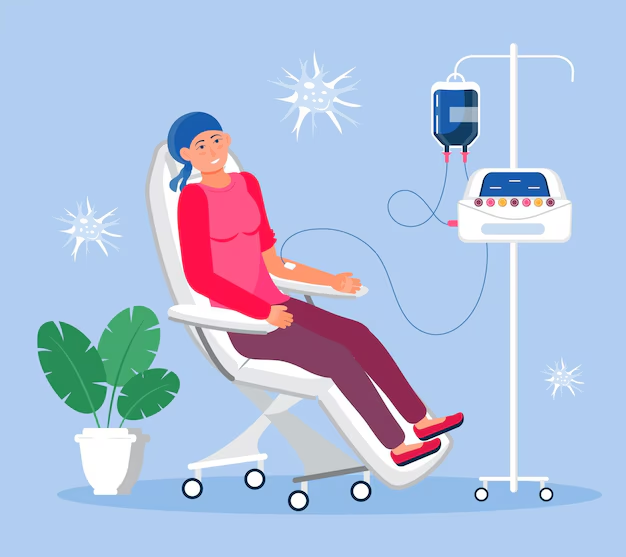
Chemotherapy is a systemic cancer treatment that uses medicines to destroy cancer cells throughout the body. It is an important treatment option for many types of cancer and may be used for different purposes, including curative, adjuvant, neoadjuvant, or palliative therapy.
The role of chemotherapy can differ depending on the patient’s condition and treatment requirements.
Dr. Sandip Ganguly offers different chemotherapy options based on each patient’s treatment needs.
Chemotherapy is planned according to each patient’s condition and treatment needs. As part of chemotherapy treatment in Kolkata, the treatment approach described on the page includes:
Based on the evaluation, Dr. Ganguly develops a chemotherapy protocol tailored to the individual patient and follows international oncology guidelines, including NCCN, ESMO, and ASCO.
The clinic is equipped with modern infusion chairs, emergency support systems, and infection-control measures to provide a safe and hygienic environment.
Chemotherapy can be a challenging part of cancer treatment, but the right support can make the treatment journey easier to navigate. Dr. Sandip Ganguly is committed to supporting patients throughout their treatment with a combination of medical expertise, empathy, and continued care.
Talk to Dr. Sandip Ganguly, Kolkata’s renowned chemotherapy Doctor in Kolkata, for clarity, reassurance, and the right treatment guidance.
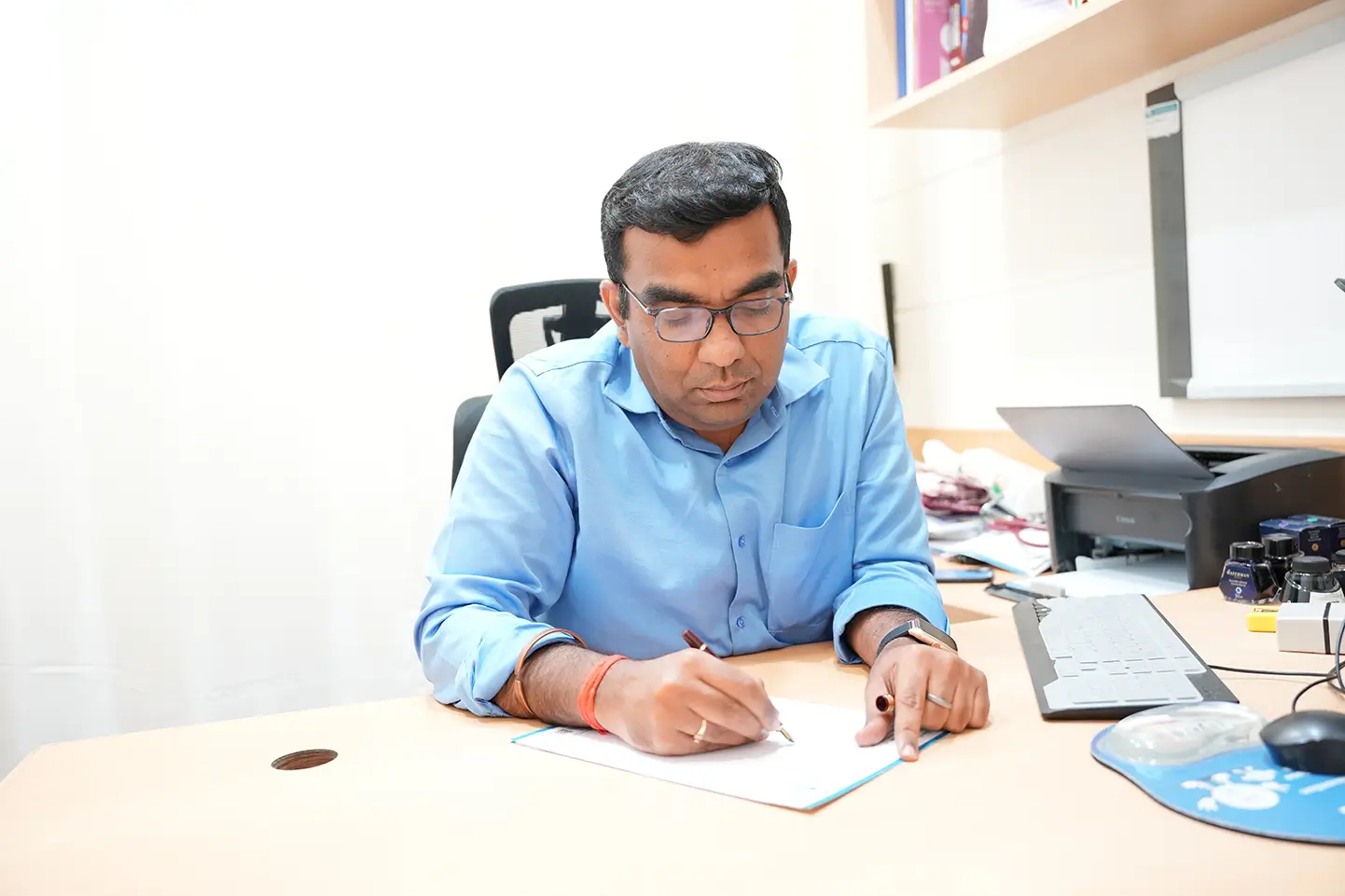
Seasoned Medical Oncologist with 15+ years of cancer care experience.
A chemotherapy session usually takes between 30 minutes and several hours, depending on the drug and method of delivery. Treatment is often given in cycles, typically lasting 2 to 6 months in total.
Yes, most health insurance plans in India cover chemotherapy costs, including hospital expenses and medicines. Government schemes such as Ayushman Bharat also provide coverage in empaneled hospitals in Kolkata.
Chemotherapy itself is not usually painful, but side effects such as nausea, fatigue, mouth sores, or discomfort at the injection site may cause discomfort. Most symptoms can be managed with supportive care during chemotherapy treatment in Kolkata.
Common side effects include fatigue, nausea, vomiting, hair loss, loss of appetite, mouth sores, increased risk of infection, and changes in blood counts. These effects can vary depending on the type of drug and the patient's health. Most important is that these side effects are temporary only. Once chemotherapy course is completed the side effects also get resolved.
The types of chemotherapy include intravenous (IV) chemotherapy, oral chemotherapy, high-dose chemotherapy for selected aggressive malignancies, and metronomic chemotherapy( low dose therapy) for specific cancers.
Chemotherapy is planned according to each patient's condition and treatment requirements. Following the prescribed treatment plan, attending regular monitoring, managing side effects, and making dose adjustments when required can help support the treatment process.