Book Appointment
The diagnosis of colorectal cancer evokes fear, bewilderment, and difficult decisions: symptoms, scans, and new vocabulary come rapidly, and every day seems to be a burden. Dr. Sandip Ganguly provides personalized colorectal cancer treatment in Kolkata. Patients have confidence in him due to his 15+ years of cancer care experience and patient-focused approach to treatment.
Delays, divided opinions, and uncertain plans add to stress levels when timely and accurate care is paramount to the outcome. Choose a colorectal cancer specialist in Kolkata who treats the person, not merely the disease. Dr. Sandip Ganguly, a medical oncologist and colorectal cancer doctor in Kolkata, follows a step-by-step coordinated plan for cancer treatment.
He provides comprehensive care to patients in a multidisciplinary setting, using advanced approaches to cancer diagnosis and treatment.
y day seems to be a burden, and decisions are paralysing. Dr Sandip Ganguly provides the superior treatment of colorectal cancer in Kolkata. Patients have confidence in him due to his 15 years of experience and the definite, reasonable cost of colorectal cancer treatment in Kolkata. Delays, divided opinions, and uncertain plans add to stress levels when timely and accurate care is paramount to the outcome and a calm mind. Select treatment for colorectal cancer in Kolkata with a senior medical oncologist in Kolkata who treats the person, not merely the disease – Dr. Sandip Ganguly, a sympathetic colorectal cancer specialist in Kolkata, has a step-by-step coordinated plan to treat colorectal cancer in Kolkata. He provides the best possible care to patients in a multidisciplinary setting, using the most recent applications in cancer treatment and diagnosis.

Colorectal cancer is cancer that arises in the colon or the rectum, which are portions of the large intestine. It often develops from benign growths known as polyps, some of which may become cancerous over time.
Colorectal cancer is a common cancer in India. It is often preventable through screening and may be highly treatable if detected early.
Dr. Sandip Ganguly, an experienced colorectal cancer specialist in Kolkata, helps patients understand their diagnosis and explore appropriate colon cancer and rectal cancer treatment options.
Dr. Ganguly also ensures an accurate diagnosis through biopsy and histopathological analysis. Common types include:
Risk factors should be understood to assist in the prevention of colorectal cancer. The significant risk factors are:
There is also the risk of smoking and alcohol consumption. Early realisation of these risks assists patients in seeking colorectal cancer screening and timely treatment in Kolkata.
Recognising colorectal cancer symptoms early can help patients seek timely medical evaluation. Common symptoms may include:
These symptoms can also occur with non-cancerous conditions. However, persistent symptoms should be evaluated by a qualified healthcare professional.
Colorectal cancer is also a type of cancer that may be detected through screening before symptoms appear. Screening can identify precancerous polyps, which can be removed before they develop into cancer.
Prevention and early detection can improve treatment outcomes and may help reduce the overall burden and cost of colorectal cancer treatment in Kolkata.
Colorectal cancer prevention involves maintaining a healthy diet, exercising regularly, avoiding smoking and excessive alcohol consumption, and undergoing recommended screenings for early detection.
The staging of cancer depends on the size and extent, lymph node involvement, and disease dissemination.
The treatment choices and prognosis of the patient are based on the stage, type, and genetics of the cancer, which helps predict the outcome.
Fact: Colorectal cancer can often be prevented through screening and may be cured if detected and treated early.
With Dr. Sandip Ganguly, patients can explore several colorectal cancer treatment options. Being an experienced colorectal cancer specialist in Kolkata, Dr. Sandip Ganguly provides an individual approach to treatment according to the biology of the tumour, the level of its spread, molecular features, and the general health condition of the patient.
This forms the basis for treating early and locally advanced disease. In the case of rectal cancers, surgery is usually done after chemotherapy and/or radiation therapy when these treatments are indicated to enhance the success of the resection.
In selected patients with Stage IV colorectal cancer, metastasectomy may be considered when the cancer has spread to a limited number of sites and surgical removal is feasible.
Dr. Ganguly collaborates with experienced colorectal cancer surgeons in Kolkata to offer surgery to patients with operable colorectal cancer.
Chemotherapy is administered post-surgery (adjuvant chemotherapy) in selected patients to lower the possibility of recurrence and kill microscopic residual cancerous cells in the body.
In the case of rectal cancer, chemotherapy and radiotherapy may be administered before surgery to shrink the tumour and improve treatment outcomes.
Chemotherapy is also an important treatment option for patients with metastatic colorectal cancer that extends to other organs of the body, depending on tumour characteristics and treatment goals.
Commonly used medications include 5-Fluorouracil (5-FU), Oxaliplatin, Irinotecan, and Capecitabine.
This is mostly applied to rectal cancer. Chemoradiation can be used before the operation to reduce the size of the tumour and make its removal easier.
Radiotherapy may also be recommended after surgery in selected cases to reduce the risk of local recurrence.
Modern methods such as Intensity-Modulated Radiation Therapy (IMRT) and Image-Guided Radiotherapy (IGRT) are applied to deliver radiation more precisely while reducing unnecessary exposure to surrounding healthy tissues.
These treatments, known as targeted therapy, act on specific molecular pathways involved in cancer growth.
They can be selected based on tumour biomarkers and genetic alterations, including KRAS, NRAS, BRAF, HER2, and NTRK.
Depending on the molecular profile and clinical situation, treatment options may include anti-EGFR antibodies (Cetuximab, Panitumumab), anti-VEGF treatments (Bevacizumab, Ramucirumab), Regorafenib, Encorafenib-based combinations, and Fruquintinib.
Other medicines, including Trifluridine/Tipiracil, may also be considered in appropriate treatment settings.
This therapy enhances the body's immune system to combat cancer.
This is applied to tumours that have specific features, particularly mismatch repair deficiency (dMMR) or high microsatellite instability (MSI-H).
Immunotherapy drugs used include checkpoint inhibitors like Pembrolizumab, Nivolumab and Ipilimumab.
The suitability of immunotherapy depends on biomarker testing, cancer stage, previous treatments, and the patient's overall condition.
Expert Tip: Molecular testing is crucial to identify genetic mutations and biomarkers that guide targeted therapy and immunotherapy, offering more effective and personalized treatment options.
Patients seeking a colorectal cancer specialist in Kolkata can consult Dr. Sandip Ganguly for individualized treatment planning and coordinated oncology care.
His approach to colorectal cancer treatment includes:
Dr. Sandip Ganguly provides treatment guidance for colon cancer and rectal cancer, considering the patient’s diagnosis, treatment requirements, and available care options.
When you or a loved one has symptoms of colorectal cancer, has a family history of colorectal cancer, has been diagnosed with colorectal cancer, or needs a second opinion, don’t wait. Consult Dr. Sandip Ganguly for personalized colorectal cancer treatment in Kolkata, including guidance on diagnosis, chemotherapy, targeted therapy, immunotherapy, and multidisciplinary cancer care.
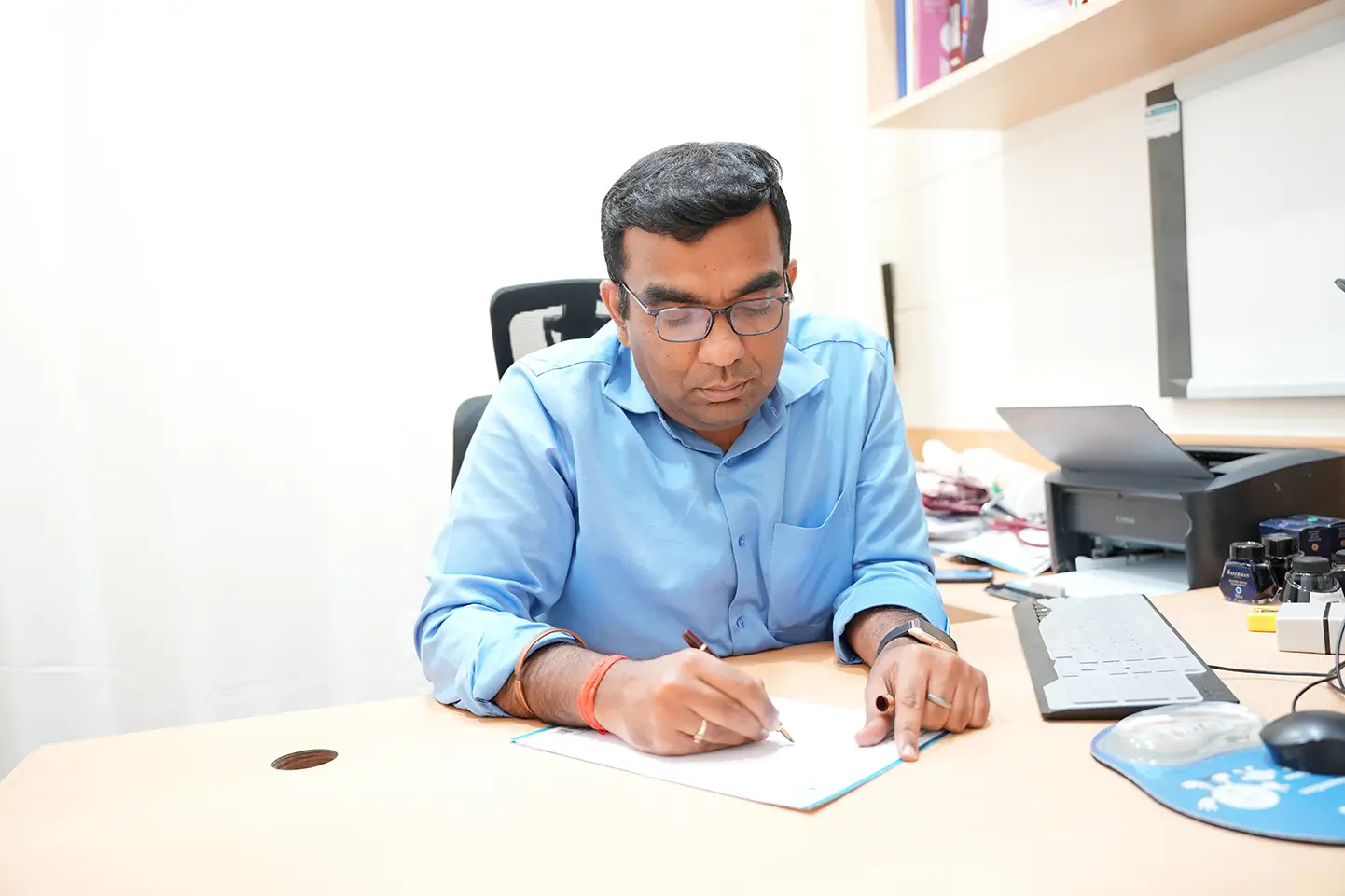
Seasoned Medical Oncologist with 15+ years of cancer care experience.
Yes, there is a good probability that colorectal cancer treatment in Kolkata will be covered by insurance, but it depends on the policy type (standard, cancer-specific, or government scheme), policy terms, and eligibility.
Patients should review waiting periods, exclusions, sub-limits, and coverage for advanced cancer treatments before beginning treatment. The actual colorectal cancer treatment cost in Kolkata varies depending on the stage of cancer, treatment method, hospital, and duration of care.
Colorectal cancer surgery is an established treatment option for many patients, particularly those with localized disease. Its safety and effectiveness depend on the cancer stage, the patient's health, the surgical procedure, and the experience of the treating team.
In Kolkata, patients can consult experienced colorectal cancer surgeons and medical oncologists to understand the benefits, risks, and expected recovery associated with surgery.
The symptoms of colorectal cancer that should lead to a visit to a colorectal cancer doctor in Kolkata include persistent alterations in bowel patterns, blood in stool, unexplained stomach pain, weight loss, tiredness, or other concerning symptoms.
Early-stage counseling can support timely diagnosis and appropriate treatment planning.