
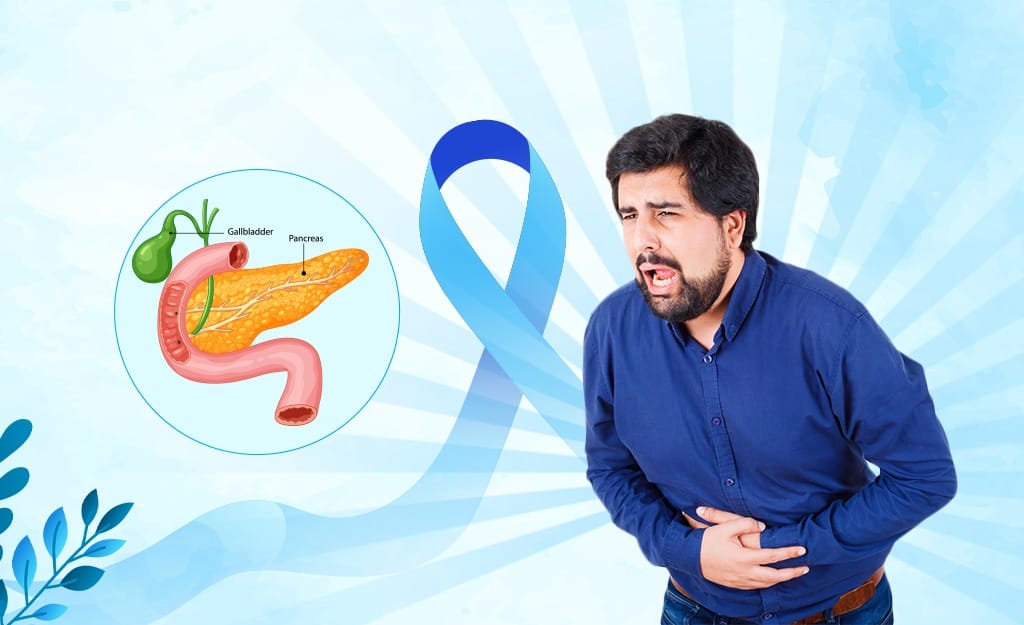
Gall bladder cancer is a rare but life-threatening disease that develops in the gall bladder, a small organ located beneath the liver. Gall bladder is a storage facility used to store bile, which is a digestive fluid that breaks fats. Although uncommon, gall bladder cancer is often aggressive because it is usually detected at an advanced stage. Early awareness of gall bladder cancer causes, symptoms, and prevention strategies plays a critical role in timely diagnosis and effective treatment.
It especially affects some areas and groups of the population, and with its silent development, education and frequent consultations with medicine are particularly significant in this case.
Understanding Gall Bladder Cancer
Gall bladder cancer begins when abnormal cells in the gall bladder multiply uncontrollably and form a malignant tumor. Such cancer cells can spread to the adjacent organs which could include the liver, bile ducts, lymph nodes. At advanced stages, the cancer may develop and spread to other organs.
One of the main challenges with gall bladder cancer is the lack of early warning signs. The patients are incidentally diagnosed in the course of imaging or surgery of gallstones. Treatment options are better when the conditions are identified early and survival rates are better.
Gall Bladder Cancer Causes
The exact gall bladder cancer causes are not always known, but research shows that long-term irritation and inflammation of the gall bladder significantly increase cancer risk. The recurrent destruction of the lining of the gall bladder may result in the unnatural alterations of the cells.
The most prevalent causes are:
- Inflammation of the gall bladder which is chronic and is in most cases associated with gallstones.
- Big or old gallstones which cause constant irritation to the gall bladder wall.
- Porcelain gall bladder, this is a condition which is characterized by the presence of calcium in the gall bladder wall.
- Polyps of the gall bladder, especially those more than 1 centimeter in diameter.
- Environmental factors also play an improtant role in causing gallbladder cancer. Studies have showed that higher amount of arsenic in blood sample of patients with gallbladder cancer
- Bile ducts abnormalities which are congenital.
In many cases, gall bladder cancer develops after years of untreated gall bladder disease.
Risk Factors for Gall Bladder Cancer
Certain individuals face a higher risk of developing gall bladder cancer due to medical, demographic, and lifestyle factors.
Major risk factors include:
- Over 50 years of age and the risk is on the increase with age.
- Women’s gender, possibly by hormonal influence.
- Obesity, increasing the risk of gallstones.
- High-fat and low-fiber diet
- Gall bladder disease or cancer in the family.
- A chronic bile duct damage known as primary sclerosing cholangitis.
- Geographic areas include South Asia, Eastern Europe, and South America.
- Smoking and industrial chemicals.
Patients who have several risk factors should take into account regular assessments.
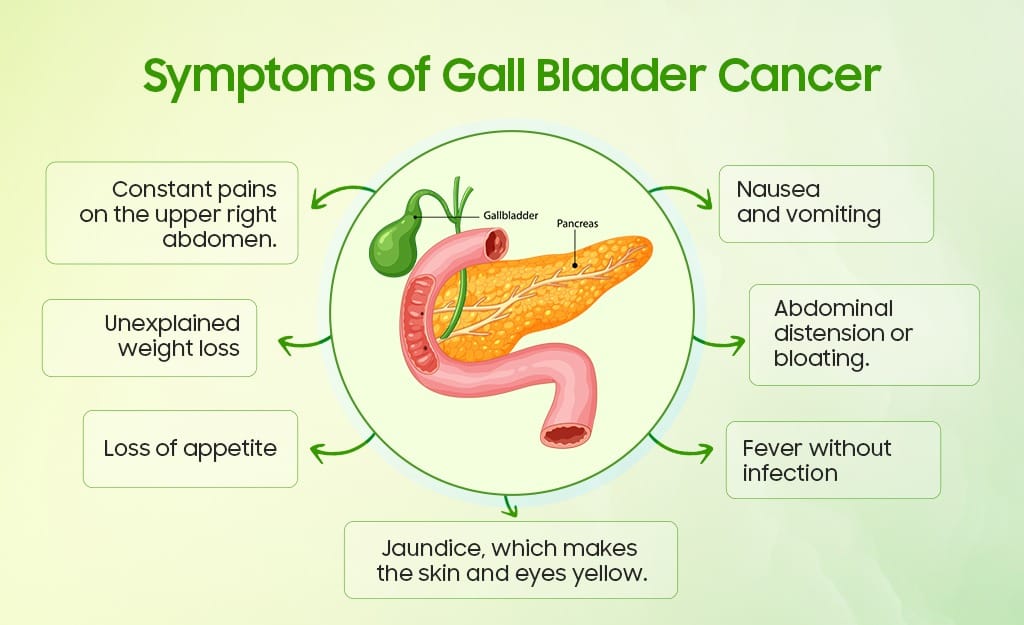
Symptoms of Gall Bladder Cancer
The symptoms of gall bladder cancer often resemble common digestive disorders, which delays diagnosis. Disease at an early stage may not cause any noticeable symptoms.
Once the cancer advances, it may show such symptoms:
- Constant pains on the upper right abdomen.
- Unexplained weight loss
- Loss of appetite
- Nausea and vomiting
- Abdominal distension or bloating.
- Fever without infection
- Jaundice, which makes the skin and eyes yellow.
- Dark-colored urine
- Pale or clay-colored stools
- Chronic fatigue
The presence of any combination of these symptoms, particularly when the patient has gallstones, must attract urgent medical care.
When to Consult a Gall Bladder Cancer Doctor
Early consultation with a qualified gall bladder cancer doctor is essential for accurate diagnosis and treatment planning. Experts in care can be gastroenterologists, hepatobiliary surgical, medical oncologists and radiation oncologists.
A gall bladder cancer doctor may recommend:
- Abdominal ultrasound to define gall bladder anomalies.
- CT scan/PET CT/MRCP in detail imaging and staging of cancer.
- Liver tests to determine liver function.
- In some rare instances, tumor markers.
- Biopsy/surgical exploration to rule out diagnosis.
Timely evaluation by an experienced gall bladder cancer doctor improves the chances of early detection and successful treatment.
Gall Bladder Cancer Treatment Options
Gall bladder cancer treatment depends on the stage of the disease, tumor spread, and the patient’s overall health. The treatment plans are usually customized.
Joint therapeutic measures involve:
Surgery
- Removal of the gall bladder along with removal of adjacent liver tissue and nodes is the ideal surgery for patients with localized gallbladder cancer. This surgery is called as radical cholecystectomy
Chemotherapy
- Takes anti-cancer medication to kill cancerous cells.
- Radiation therapy
- Destroys high-energy radiation on cancer cells.
- Coupled with chemotherapy most of the time.
Targeted therapy
- Attacks on targeted molecular alterations in cancerous cells.
- Applied in some exceptional cases.
Immunotherapy
- Assists the immune system to identify and destroy cancer cells.
Palliative care
- Treats pain, jaundice, and digestive tract.
- Enhances the comfort and quality of life.
- Surgical treatment has the highest chances of success with early-stage cancer.
Gall Bladder Cancer Prevention Tips
Although gall bladder cancer cannot always be prevented, several lifestyle and medical strategies support effective gall bladder cancer prevention.
The prevention measures that have been recommended are:
- Eating rightly to stay at a healthy body weight.
- Eating a balanced diet that is full of fruits, vegetables, and whole grains.
- Limiting the consumption of fatty and processed food.
- This involves practicing physical exercise.
- Treatment of gallstones and gall bladder disease at an early stage.
- Management of chronic diseases, e.g. diabetes.
- Quitting tobacco and alcohol abuse.
- Health checkups, particularly in high-risk people.
- Prevention of gall bladder inflammation is important when done at an early stage.
Significance of Early Detection and Sensitization
Gall bladder cancer often progresses rapidly due to late diagnosis. Awareness of gall bladder cancer causes, early warning signs, and prevention strategies helps individuals seek timely care. Frequent imaging and medical revision is particularly necessary in case of gallstones or with the family history of gall bladder disease.
Early diagnosis increases the success of the treatment, minimizes complications, and increases the survival chances.
Living With Gall Bladder Cancer
Patients diagnosed with gall bladder cancer benefit from a multidisciplinary care approach involving surgeons, oncologists, nutritionists, and supportive care teams. Along with medical care, emotional support, nutritional education, and symptom control are of significance.
The follow-up care will assist in ensuring the recovery process, treating side effects, and enhancing long-term quality of life.
Conclusion
Gall bladder cancer is a serious and often aggressive disease influenced by chronic inflammation, gallstones, genetic factors, and lifestyle habits. Understanding gall bladder cancer causes, recognizing symptoms of gall bladder cancer, and following gall bladder cancer prevention strategies can lead to earlier diagnosis and improved outcomes. Timely consultation with a qualified gall bladder cancer doctor and access to appropriate gall bladder cancer treatment are essential for effective disease management and patient well-being.