Book Appointment
Ovarian cancer is not a disease. The main types of ovarian cancer are epithelial ovarian cancer, germ cell tumors, and sex cord-stromal tumors. Each type can behave differently, so identifying the cancer type and stage is important when planning ovarian cancer treatment in Kolkata.
Understanding these differences can help you have clearer conversations with your doctor about your diagnosis and care.
Dr. Sandip Ganguly, an experienced ovarian cancer specialist in Kolkata, provides personalized treatment planning based on the type, stage, and molecular characteristics of the cancer. His approach focuses on evidence-based medical oncology and coordinated multidisciplinary care.
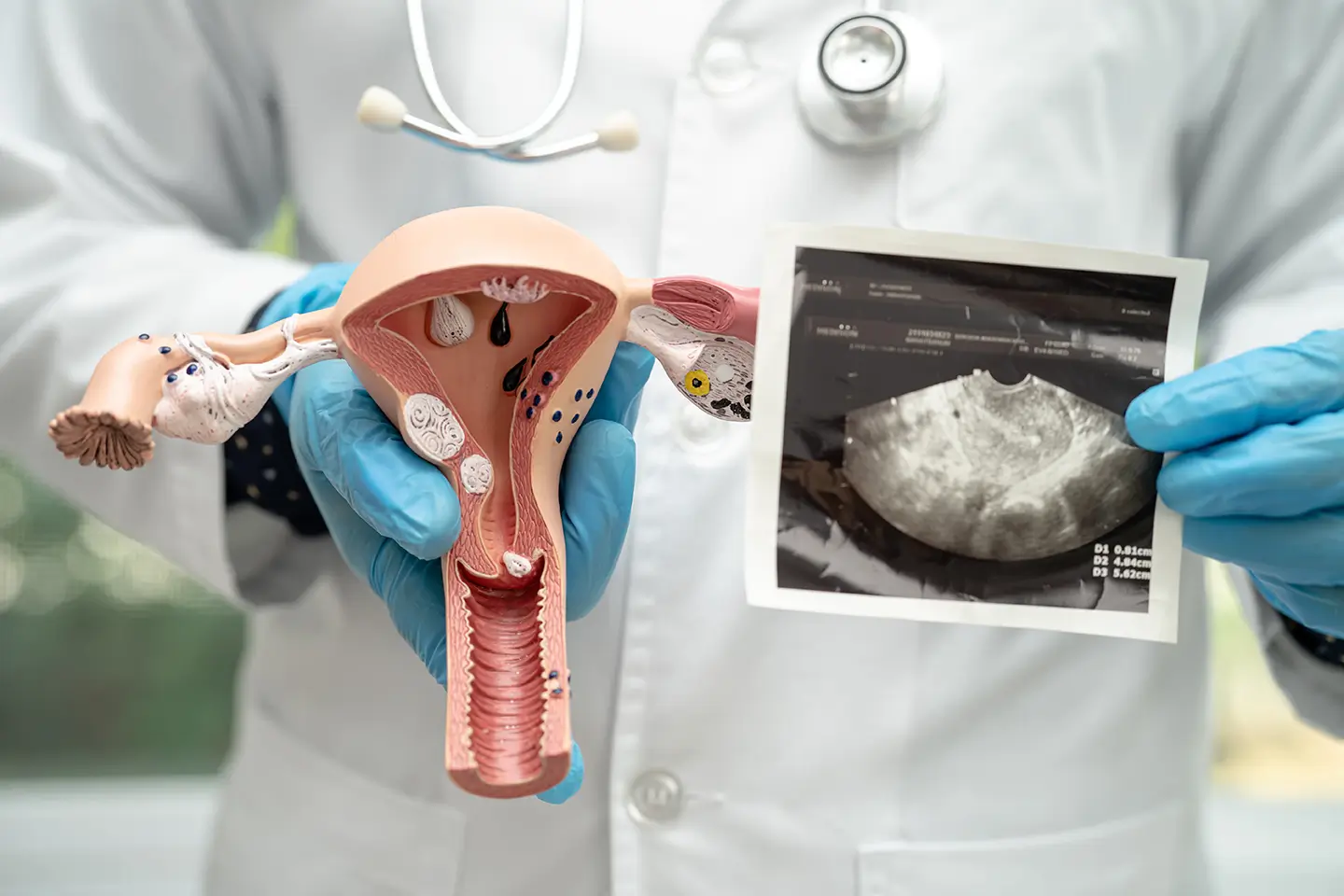
Ovarian cancer is a type of cancer that begins in the ovaries, the female reproductive organs that produce eggs and hormones. It often goes undetected until it has spread because early symptoms can be vague and easily confused with other common conditions.
Some cancers classified and treated as ovarian cancer may also originate in the fallopian tubes or peritoneum. Early evaluation of persistent symptoms can help patients receive a timely diagnosis and appropriate treatment.
The main types of ovarian cancer include:
Identifying the cancer type helps an ovarian cancer doctor determine the most appropriate treatment approach.
While the exact cause is not always clear, several factors can increase a woman’s risk of developing ovarian cancer:
Women with inherited BRCA mutations or a significant family history of ovarian cancer may benefit from genetic counselling and individualized risk assessment.
Early symptoms are often subtle and can include:
If you experience these symptoms frequently (more than 12 times a month) and they are new to you, it is important to consult an ovarian cancer doctor in Kolkata.
These symptoms may also occur with non-cancerous conditions. However, persistent, frequent, or worsening symptoms should be evaluated by a qualified healthcare professional.
Accurate diagnosis and staging are essential for effective treatment planning. Dr. Sandip Ganguly works with the diagnostic and multidisciplinary care team to evaluate patients with suspected or confirmed ovarian cancer. Investigations may include:
Ovarian cancer staging generally follows the FIGO system, which classifies the disease from Stage I (limited to the ovaries or fallopian tubes) to Stage IV (distant spread). The cancer stage helps guide decisions about surgery, chemotherapy, and other treatments.
Treatment plans are highly individualized based on the type and stage of ovarian cancer, and the patient’s overall health.
Dr. Sandip Ganguly, an experienced ovarian cancer specialist in Kolkata, helps patients understand their treatment options and coordinates medical oncology care with other cancer specialists when required.
Treatment options may include:
Often the primary treatment to remove as much of the tumor as possible (debulking surgery).
Depending on the stage and extent of the disease, surgery may involve removal of the ovaries, fallopian tubes, uterus, omentum, and other affected tissues. Surgery is performed by an appropriately trained gynecologic oncology surgical team.
Used to kill remaining cancer cells after surgery or control advanced disease.
Chemotherapy may also be administered before surgery in selected patients to reduce tumour burden. Commonly used medicines include Carboplatin and Paclitaxel, depending on the cancer type and treatment plan.
Drugs that specifically target cancer cells based on their unique molecular characteristics, although they can also affect healthy tissues and cause side effects.
Targeted treatment options may include Bevacizumab or PARP inhibitors for eligible patients, depending on cancer type, biomarker results, previous treatment, and clinical circumstances.
Helps boost the body's own immune system to fight cancer.
Immunotherapy is not a routine treatment for every ovarian cancer patient. It may be considered in selected situations based on tumour biomarkers, specific clinical indications, approved treatment options, or clinical trial eligibility.
Certain medications, like PARP inhibitors, can be used after initial treatment to delay disease progression or recurrence in specific cases, especially those with BRCA mutations.
The suitability of maintenance therapy depends on factors such as the response to platinum-based chemotherapy, BRCA mutation status, homologous recombination deficiency (HRD), cancer stage, and previous treatment.
Dr. Sandip Ganguly provides holistic care, focusing not only on treatment but also on managing side effects, supporting emotional well-being, and improving quality of life for ovarian cancer patients and survivors.
As an ovarian cancer oncologist in Kolkata, he emphasizes comprehensive support throughout the treatment journey.
This includes:
Regular follow-up appointments also help patients discuss treatment-related symptoms, recovery, and any new health concerns.
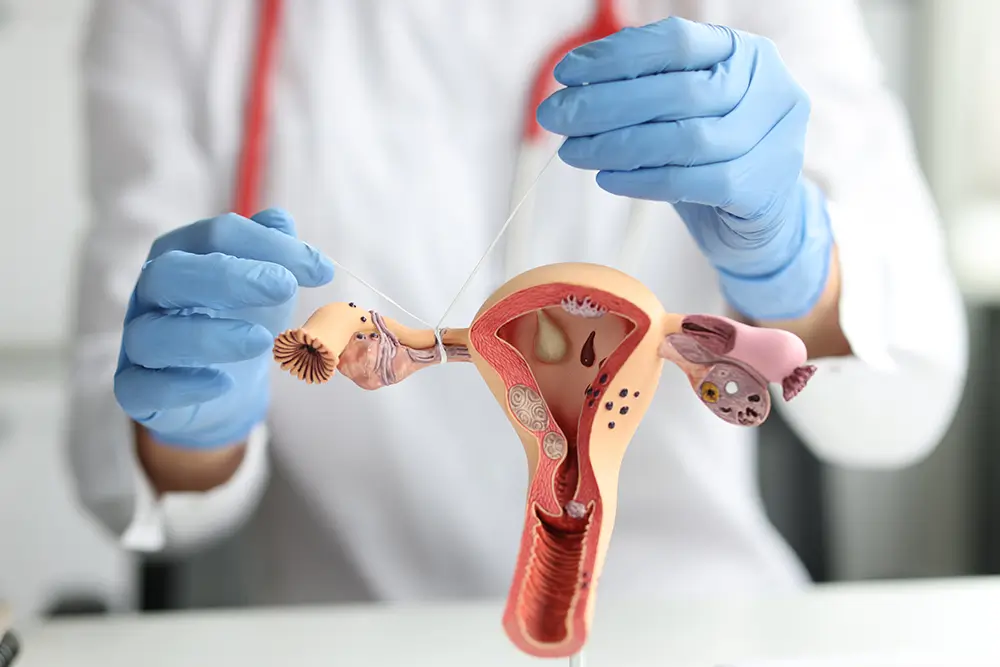
Patients seeking an ovarian cancer doctor in Kolkata can consult Dr. Ganguly for medical oncology treatment planning, second opinions, and coordinated multidisciplinary cancer care.
For personalized ovarian cancer treatment in Kolkata, consult Dr. Sandip Ganguly. With extensive experience in medical oncology, he provides personalized, compassionate care using evidence-based treatment approaches. Schedule your consultation today to discuss your diagnosis, chemotherapy, targeted therapy, and other appropriate ovarian cancer treatment options.

Seasoned ovarian cancer specialist with 15+ years of cancer care experience.
Yes, full recovery is possible if ovarian cancer is detected and treated in the early stages. Survival chances are much higher in Stage 1 compared to advanced stages, where the disease is harder to control.
However, the likelihood of long-term remission or cure depends on the cancer type, stage, response to treatment, and individual patient factors. Regular follow-up is important after completing treatment.
There is no reliable home test for ovarian cancer. However, paying attention to persistent symptoms like bloating, pelvic pain, frequent urination, or feeling full quickly can be early warning signs, and medical consultation is essential if they continue.
There is also no established routine ovarian cancer screening test proven to reduce mortality in average-risk women without symptoms. Patients with persistent symptoms or inherited genetic risk should seek medical advice.
Stage 1 ovarian cancer may cause mild or vague symptoms such as abdominal bloating, pelvic discomfort, changes in bowel habits, frequent urination, or unexplained fatigue, though it often remains silent in early stages.
These symptoms are not specific to Stage 1, and ovarian cancer cannot be staged based on symptoms alone. Medical investigations are necessary to determine the stage.
Many health insurance policies in India may cover eligible ovarian cancer treatment expenses, including surgery, chemotherapy, and hospitalization, subject to policy terms, waiting periods, exclusions, and coverage limits.
Government schemes like Ayushman Bharat may provide financial support for eligible patients at empanelled hospitals in Kolkata.
The ovarian cancer treatment cost in Kolkata depends on the cancer stage, hospital, treatment approach, medicines, and duration of care. Patients should verify their coverage and estimated expenses before starting treatment.