

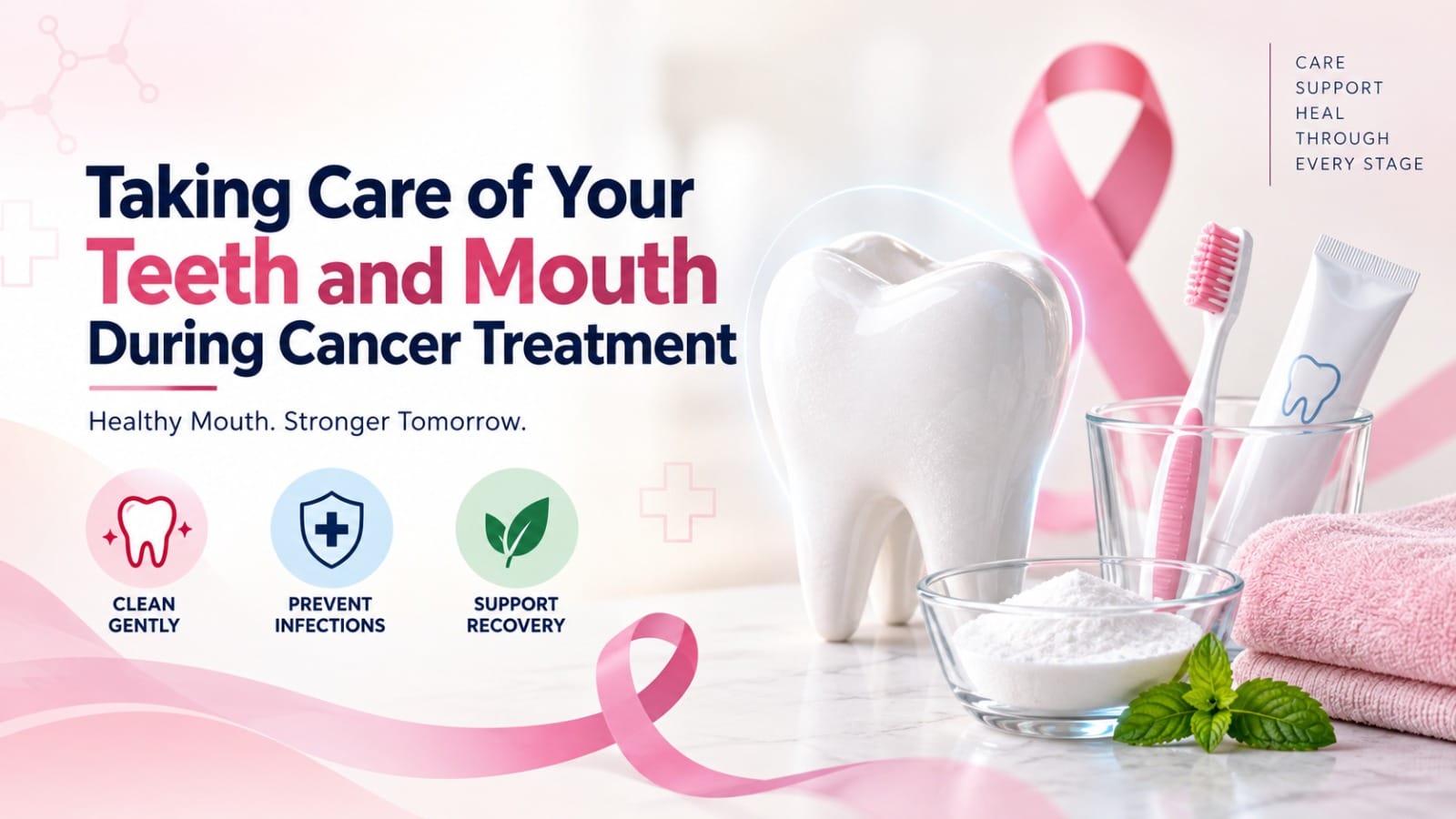
Mouth complications are very common and affect more than a third of all cancer patients. Treatments like chemotherapy and radiation target rapidly growing cancer cells, but they can also damage healthy cells in the mouth and weaken the immune system. Getting proper dental care during cancer treatment helps keep your mouth as healthy as possible before therapy starts and reduces the chance of serious infections. A serious mouth infection can cause more than physical pain. It can put your cancer treatment on hold and delay your recovery. Bringing a dentist onto your care team early can help keep these side effects under control, so you can focus your energy on getting well.
Daily Oral Hygiene: Simple Adjustments to Your Routine
Maintaining good oral hygiene during chemotherapy and radiation requires gentle daily habits to protect sensitive tissues:
- Brush Carefully: Clean your teeth twice a day with an extra soft toothbrush and fluoride toothpaste. Soft bristles help remove debris without hurting sensitive gums.
- Floss Gently: Floss once a day to remove plaque from between your teeth, where toothbrush bristles cannot reach.
- Rinse with Water and Baking Soda: Frequently use a baking soda mouth rinse made by mixing water with baking soda. This rinse can be especially helpful after vomiting because it neutralizes stomach acids and helps prevent tooth enamel damage.
Managing Common Mouth Problems
Chemotherapy and radiation can cause different side effects in the mouth. Proper dental care during cancer treatment can provide relief for these common problems:d
Mouth Sores and Sensitive Gums
Cancer treatments can cause painful chemotherapy mouth sores, swollen gums, or gum disease. Dentists can recommend topical oral pain relief products that coat and protect open sores. They may also prescribe anti-inflammatory or steroid rinses to soothe inflamed tissue.
Dry Mouth Relief
Certain medications, chemotherapy, and radiation can affect the salivary glands, reducing saliva production. A lack of saliva increases the risk of cavities. For dry mouth relief during cancer therapy, dentists often suggest artificial saliva products along with specialized fluoride rinses to help protect enamel.
Jaw Pain and Stiffness
Radiation therapy directed at the head or neck can inflame and scar the jaw muscles, causing radiation jaw pain and facial soreness. The stress of treatment can also lead to teeth grinding, which can make joint discomfort worse. Solutions include targeted jaw exercises, anti-inflammatory medications, and muscle relaxants.
How a Dentist Helps During Treatment
Oral health directly affects overall health and recovery. Prioritizing dental care during cancer treatment and involving a dentist before, during, and after medical therapies helps protect against infections and plays an important role in preventing dental complications in cancer patients. Taking care of your teeth and gums helps protect your mouth, relieve discomfort, and support your overall recovery.
Frequently Asked Questions
- How does cancer treatment affect your mouth?
Chemotherapy and radiation target rapidly growing cancer cells, but they can also damage healthy cells in your mouth and weaken your immune system. This can make it easier for mouth sores, infections, dry mouth, and jaw pain to develop during treatment. - How can mouth infections impact overall cancer care?
Having an unhealthy mouth or a serious infection before or during therapy can force doctors to delay your cancer treatment and slow down your overall recovery. Seeing a dentist early can help prevent these complications and allow treatment to proceed on schedule. - What is the best way to clean teeth during chemotherapy or radiation?
Brush gently twice a day using an extra soft toothbrush and fluoride toothpaste to avoid hurting sensitive gums. Floss gently once a day to remove plaque from between your teeth. - What should you do if you experience dry mouth or mouth sores?
For painful mouth sores, your dentist can recommend topical pain relief products or prescribe anti-inflammatory or steroid rinses. For dry mouth caused by reduced saliva, a dentist may suggest artificial saliva products along with a special fluoride rinse to help protect your enamel. - How does rinsing with water and baking soda protect your teeth during treatment?
Rinsing with a mixture of water and baking soda helps neutralize acids in your mouth, especially after vomiting. This simple habit helps prevent stomach acid from damaging your tooth enamel and keeps your mouth feeling clean.
Comments are closed